
The Women War Workers Collection
Women War Workers1943
On the factory floor, on the farm, and across the home front. Explore the magazine covers that celebrated women at work during World War II.
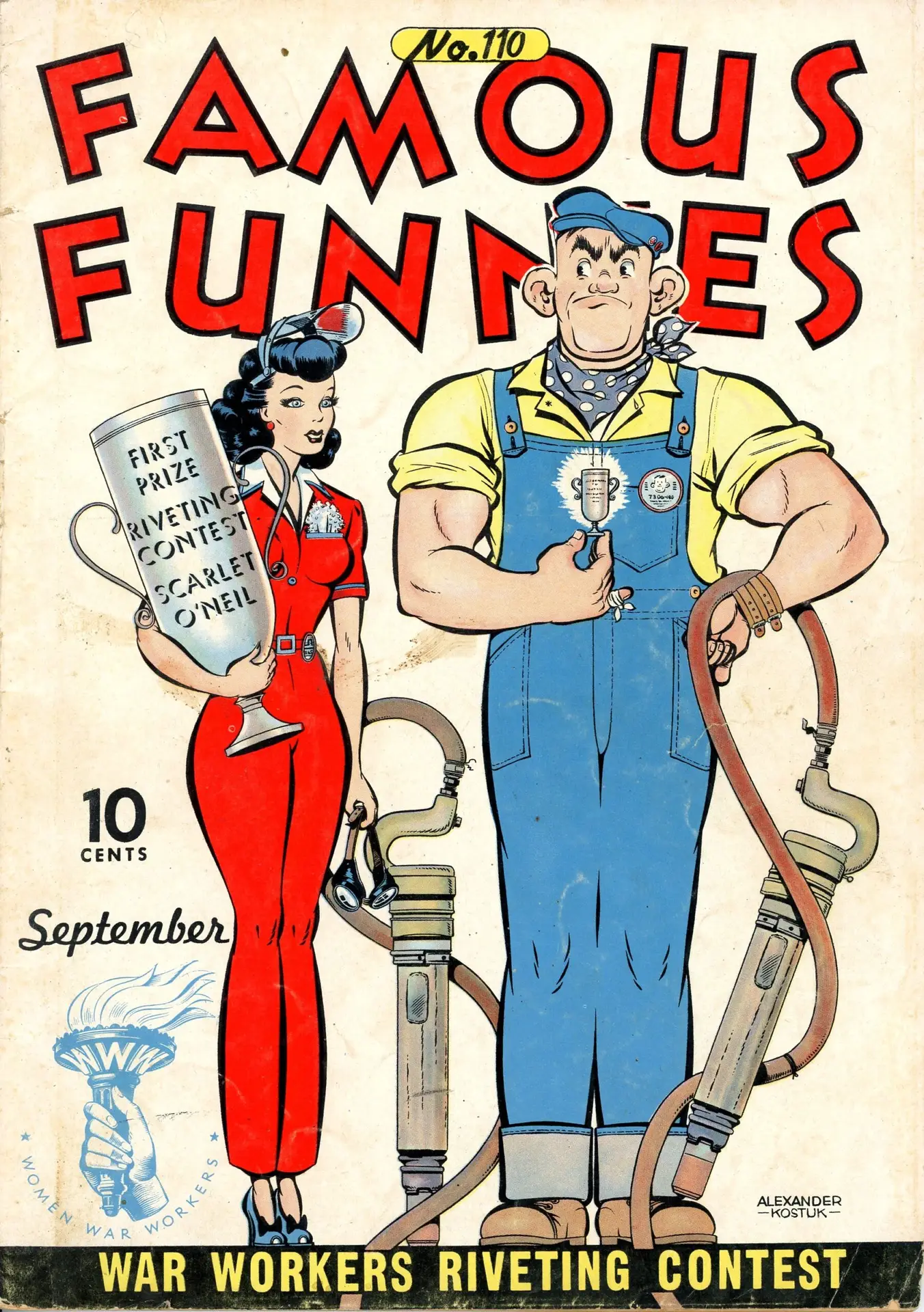
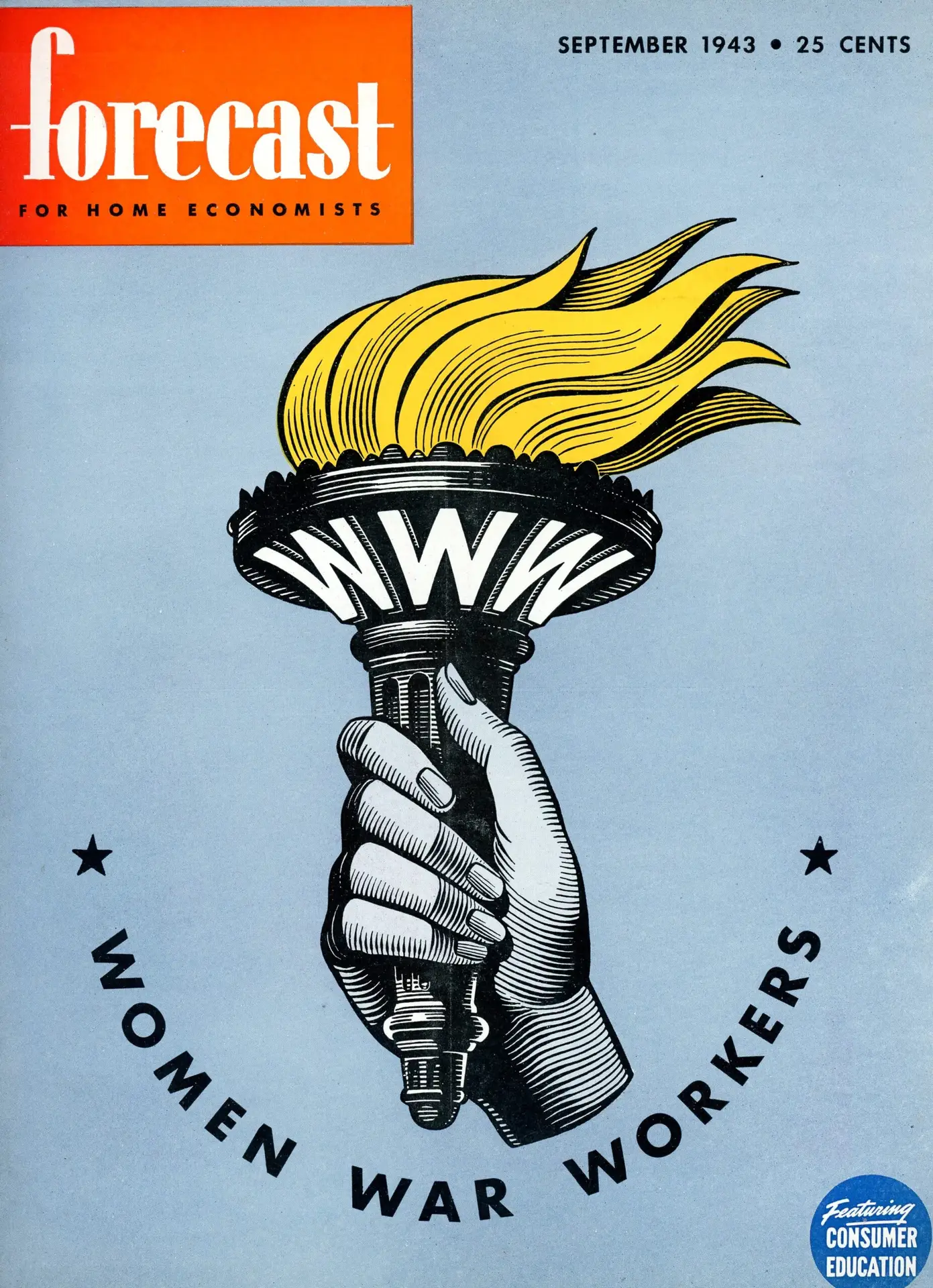
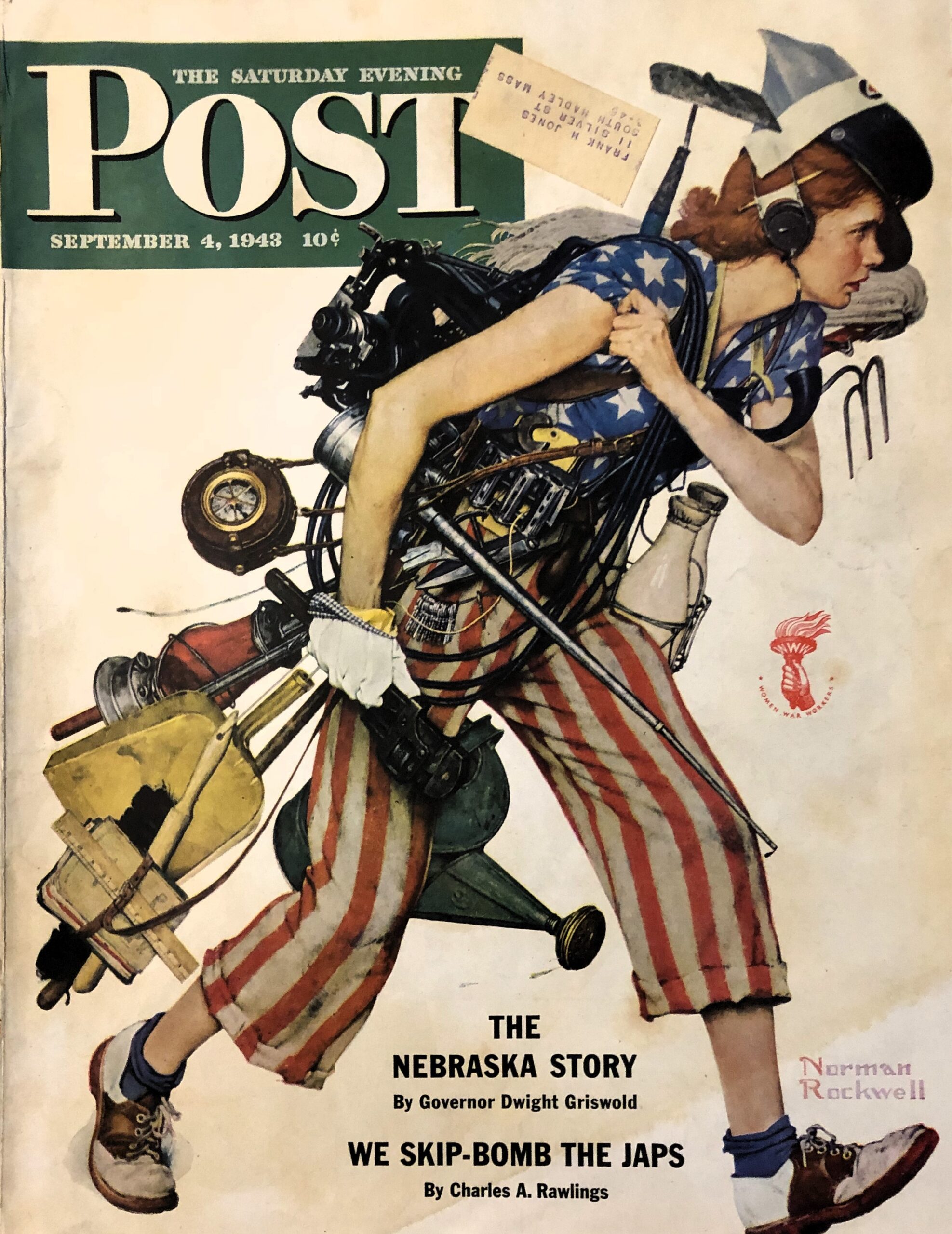
The story behind the covers · September 1943
The Women War Workers program
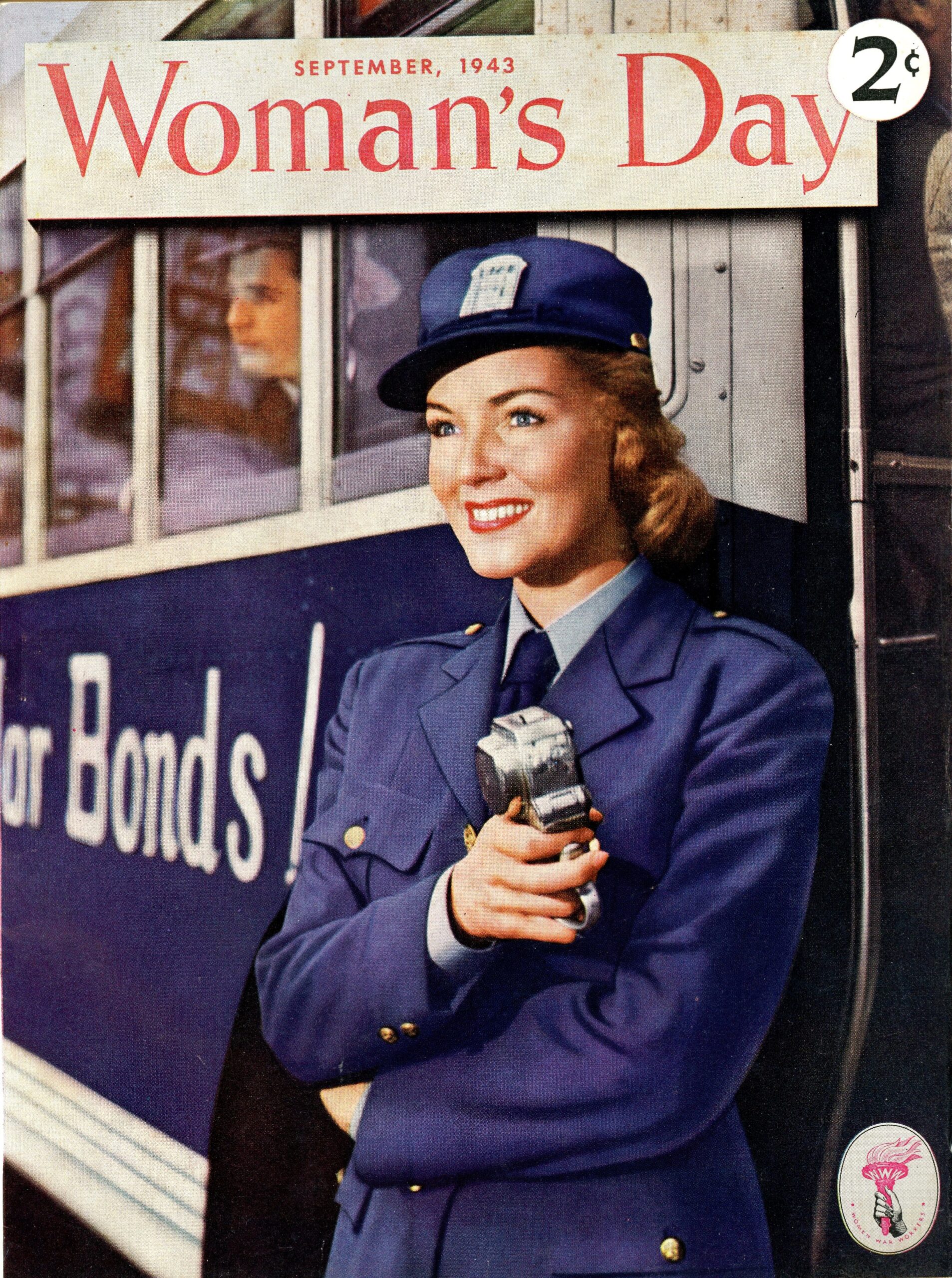
The September 1943 Women War Workers (WWW) program was inaugurated by the United States War Manpower Commission and Office of War Information to urge more women to take civilian employment which would release men for military service or heavy war work.
In conjunction with the program, a contest was held, co-sponsored by New York’s prestigious Museum of Modern Art (MoMA), whereupon all of the nation’s 186 magazines using pictorial covers were invited to devote the cover of their issues to be on the newsstands on Labor Day, September 6, providing a painting, drawing, or photograph of a woman doing the sort of work which was not fully appreciated as war work but which, in a total war, had become war work of the greatest significance.
Women in Necessary Civilian Employment
MoMA presented an exhibition of the winning covers alongside a group photograph of the women featured on them, who were already working in essential civilian jobs. It was titled “Women in Necessary Civilian Employment,” and ran from September 3 to 26, 1943.
The original exhibition record includes the press release, providing a host of additional information, and a gallery of photos.
Explore the original MoMA exhibition ↗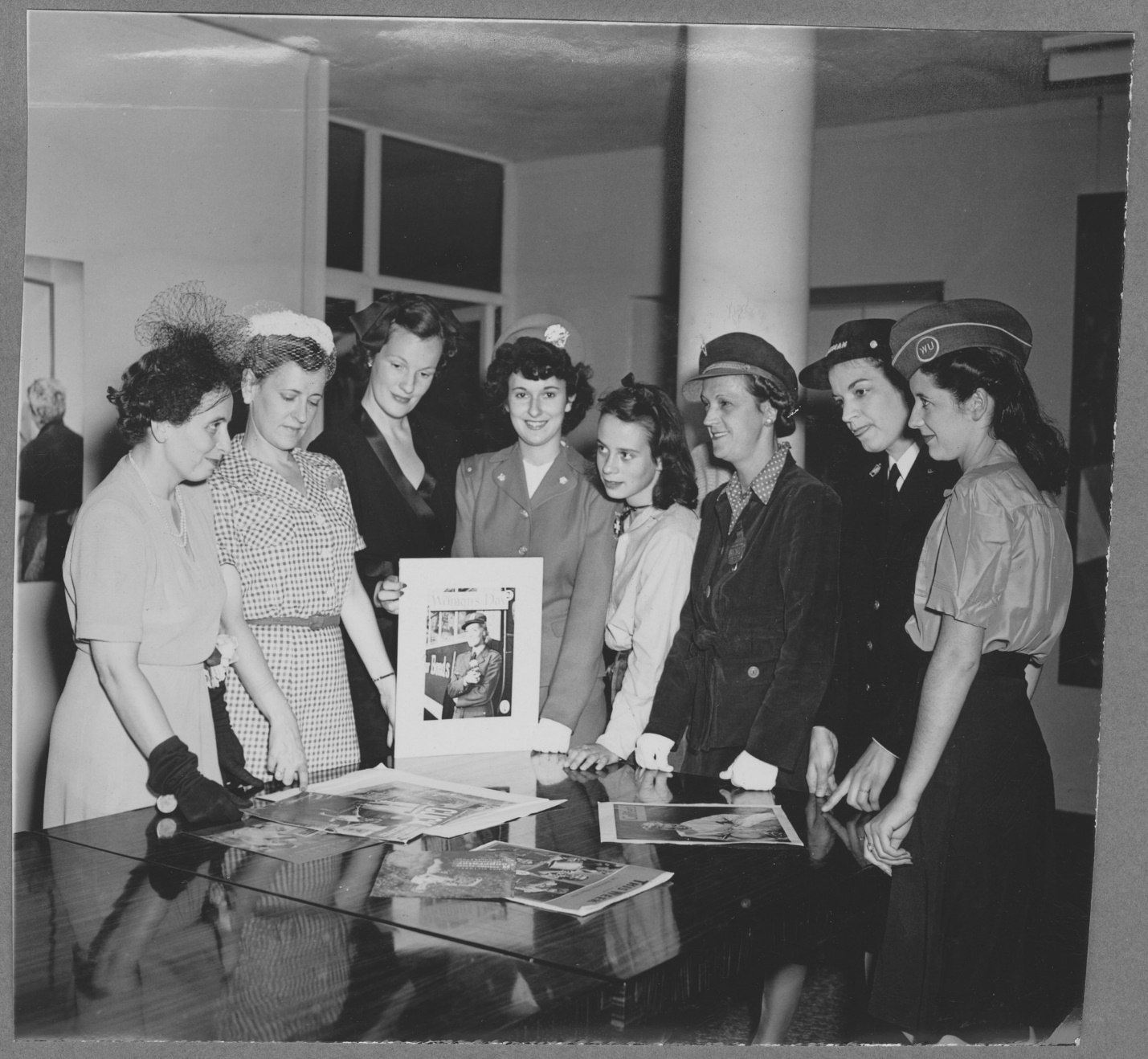
About the photograph. “Judges of competition and women war workers present at the opening of the exhibition of ‘Women in Necessary Civilian Employment,’ at the Museum of Modern Art, 11 West 53rd St., New York. Left to right: Mrs. Anna Rosenberg, Regional War Manpower Commission Director in New York; Miss Dorothy Ducas, Chief, Magazine Bureau, Office of War Information; Mary Brewster White, of the Office of War Information; Betty Ward, New York, U.S. Cadet Nurse Corps; Deborah Hutchison, who has worked on farms for the past two summers; Mrs. Terella Albrecht, who drives a taxi; Mrs. Dorothy I. Walker, trainman for the Pennsylvania Railroad; and Muriel Klein, Western ‘Unionette,’ or telegraph messenger.” Publicity photograph released in connection with the exhibition, “Women in Necessary Civilian Employment.”
Photographic Archive. The Museum of Modern Art Archives, New York. IN241.1.Most of the competitors and all of the winners are illustrated below, many of which were reproduced from the archives of Columbia University.
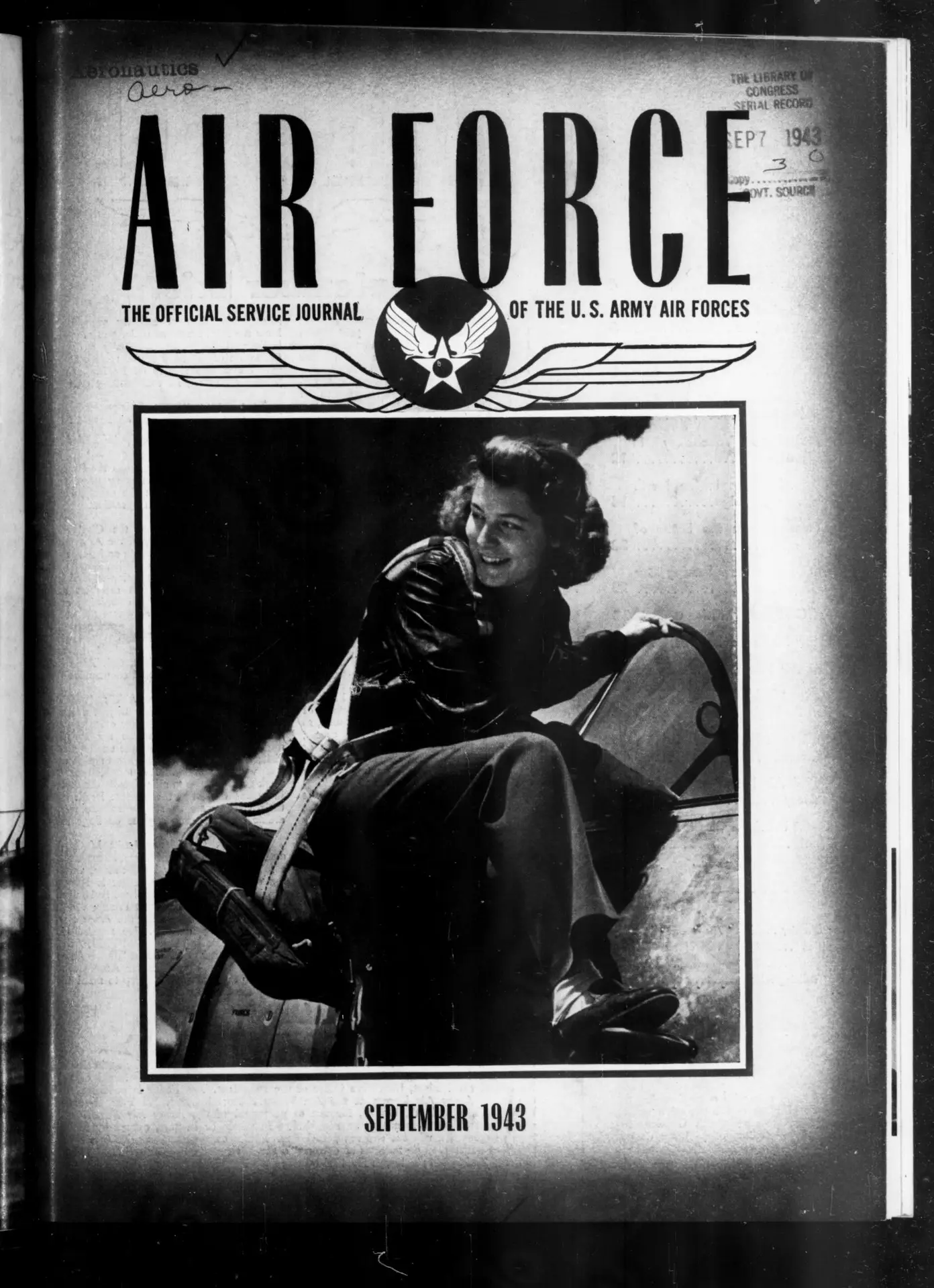
WWW|Women War Workers|AVIATION
September 1943
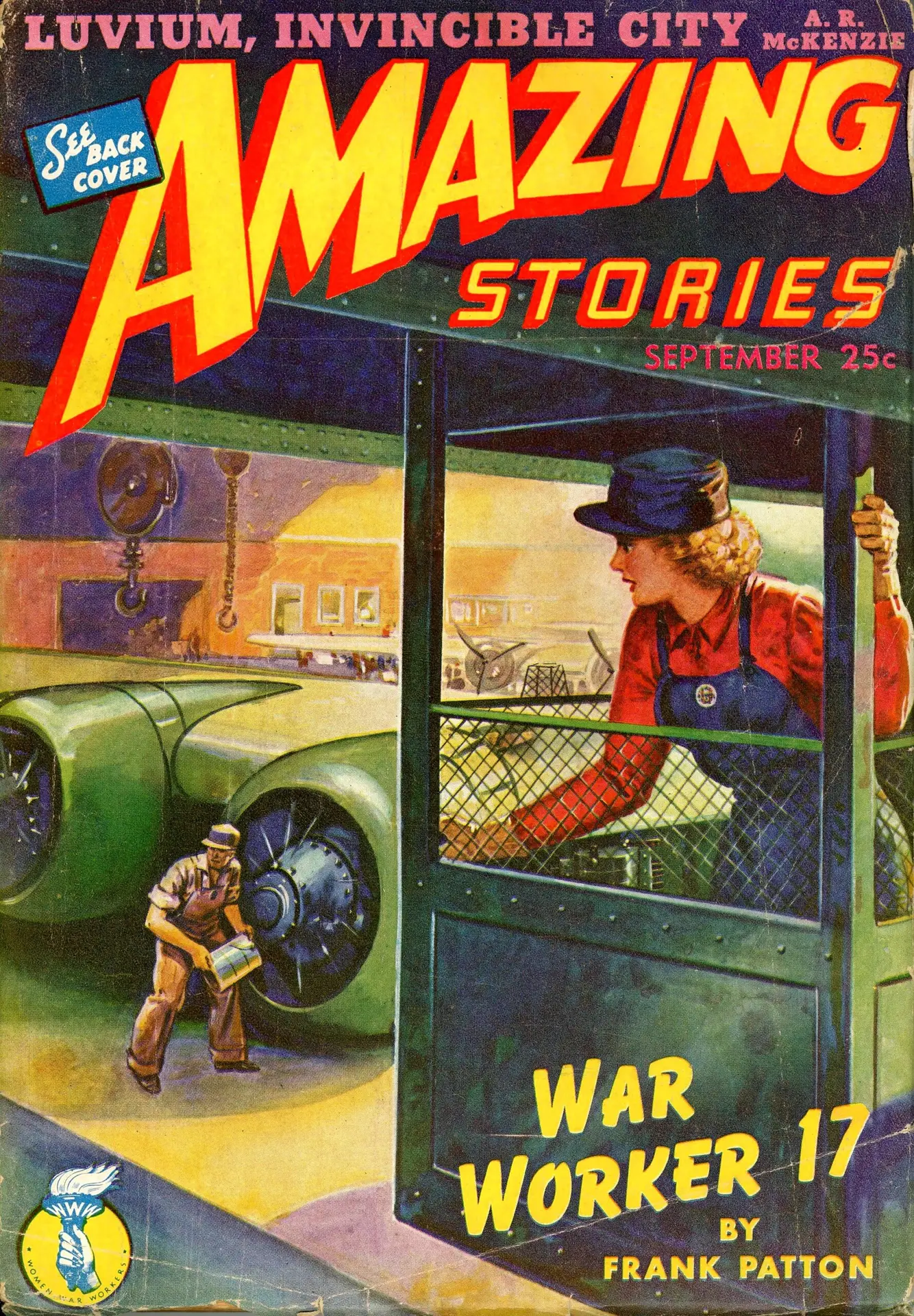
WWW|Women War Workers|SCIENCE FICTION
September 1943
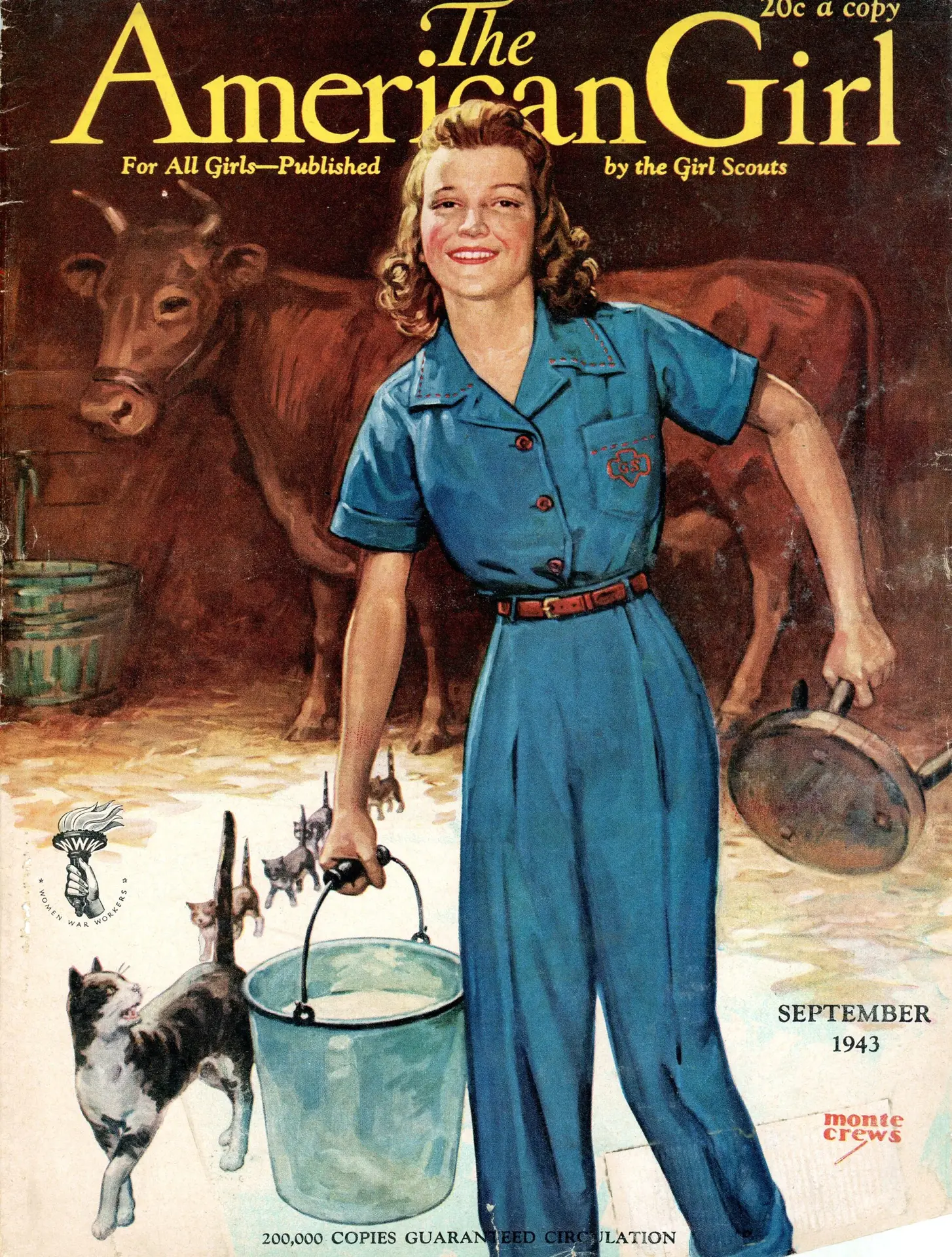
WWW|Women War Workers|WOMEN
September 1943
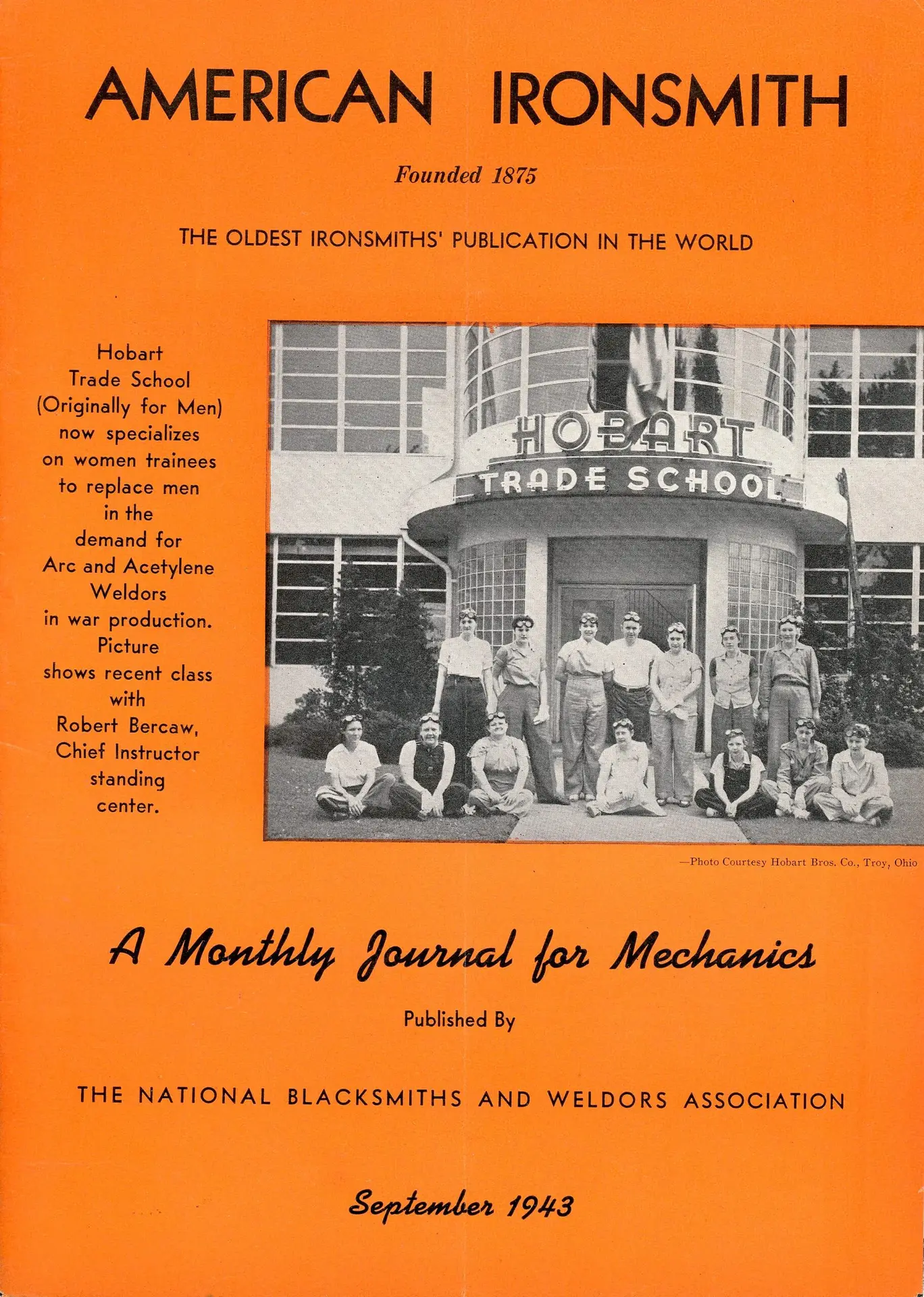
WWW|Women War Workers|INDUSTRY
September 1943
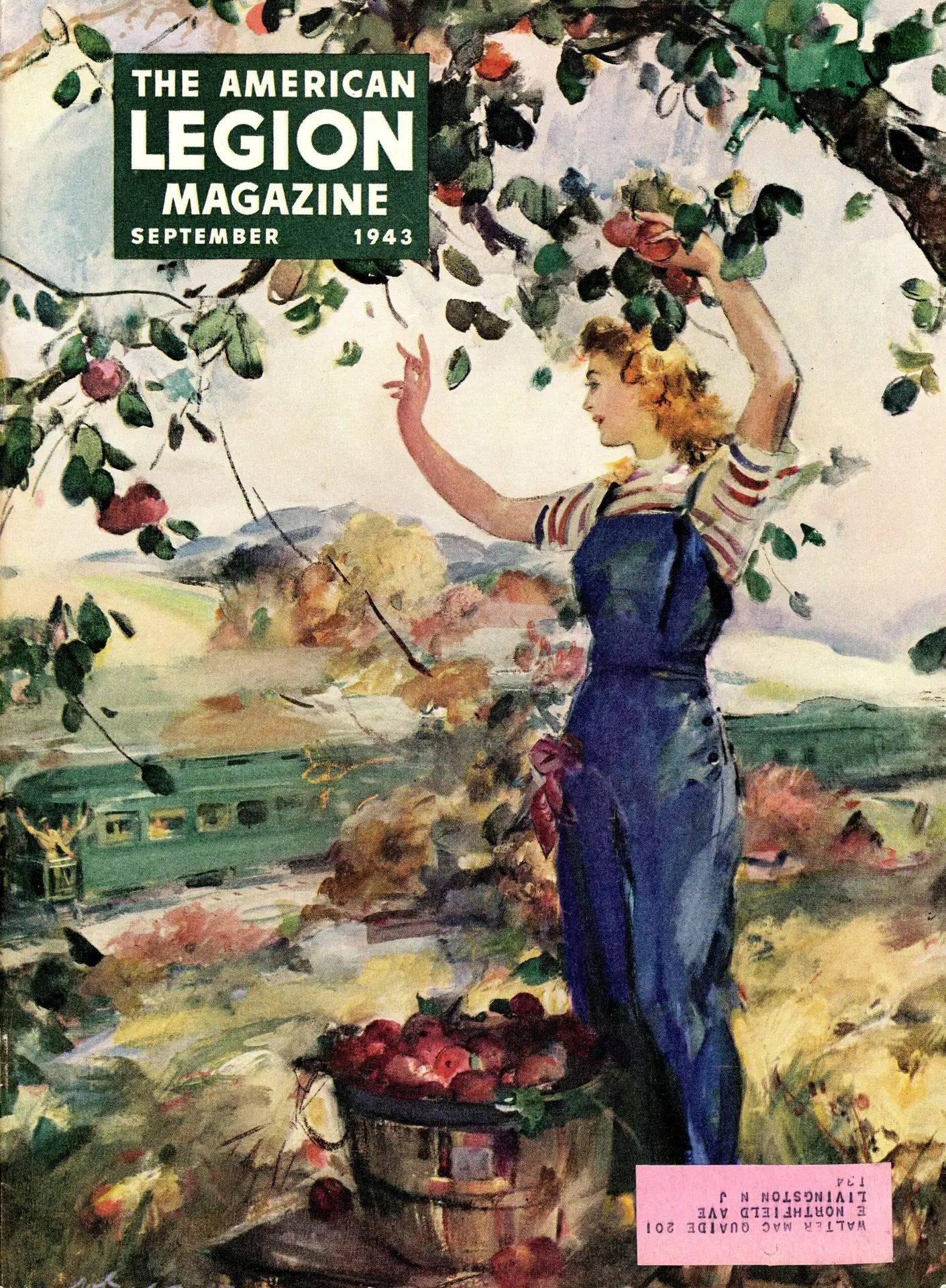
WWW|Women War Workers|MILITARY & VETERANS
September 1943
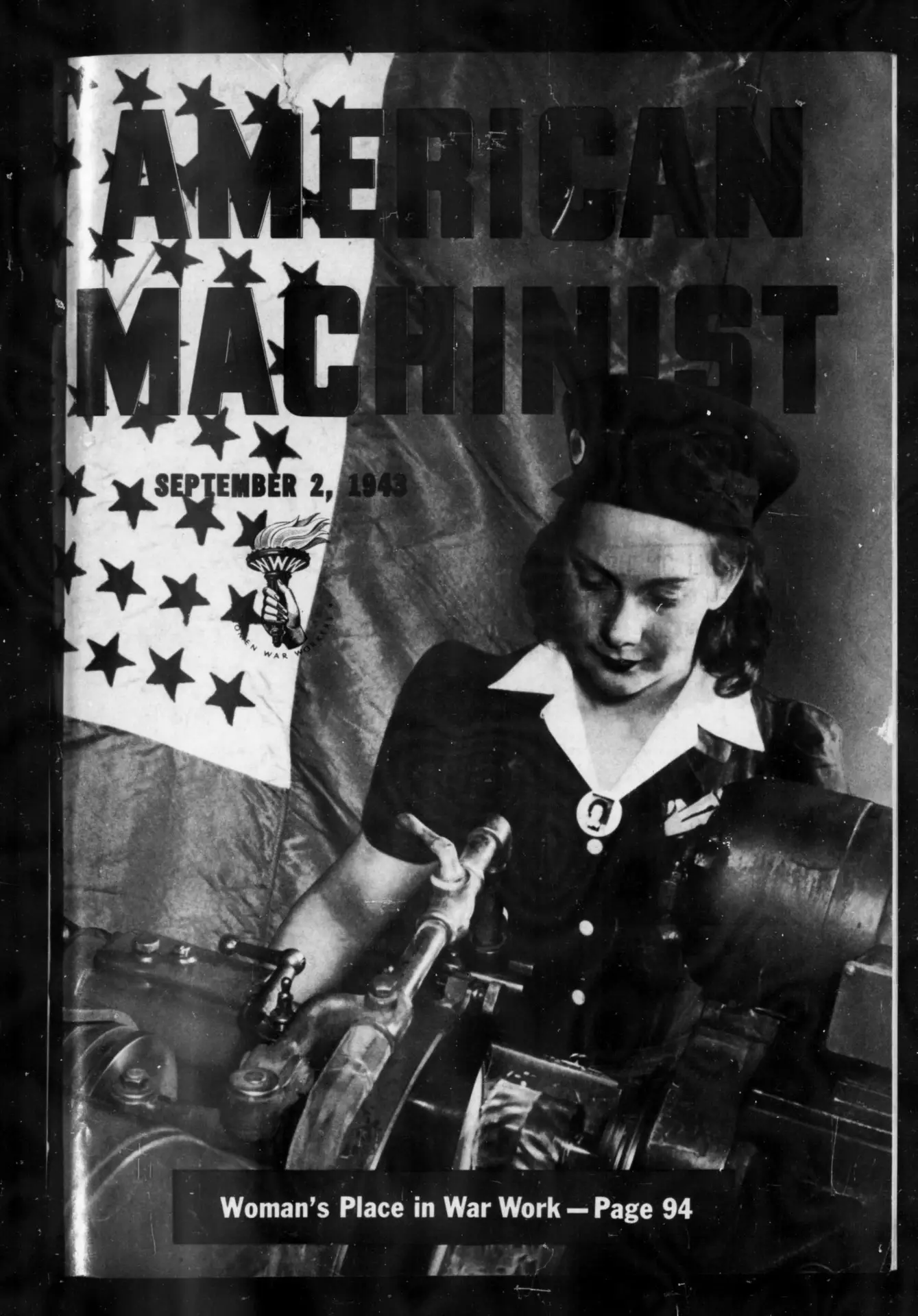
WWW|Women War Workers|INDUSTRY
September 2, 1943
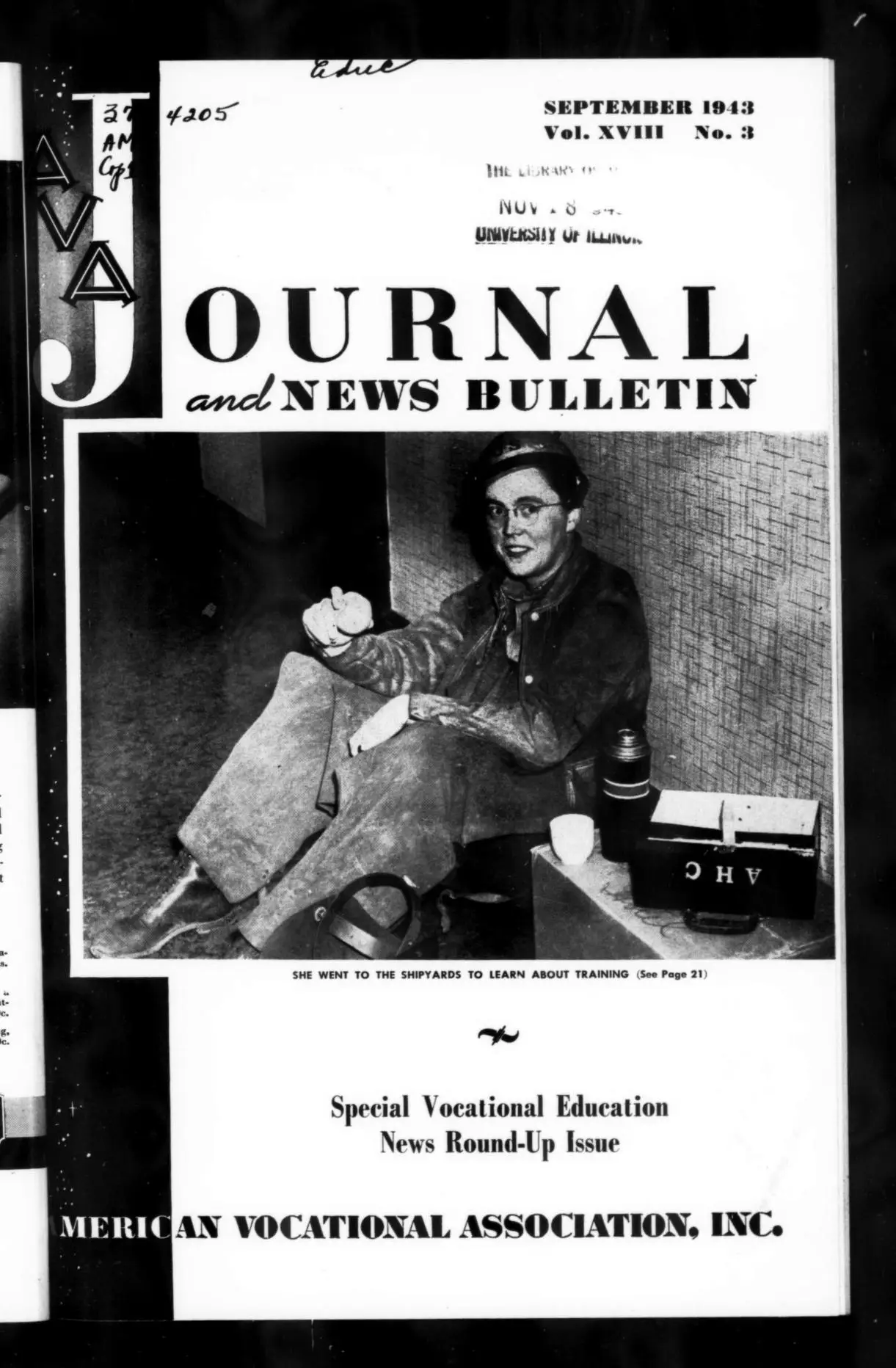
WWW|Women War Workers|EDUCATION
September 1943
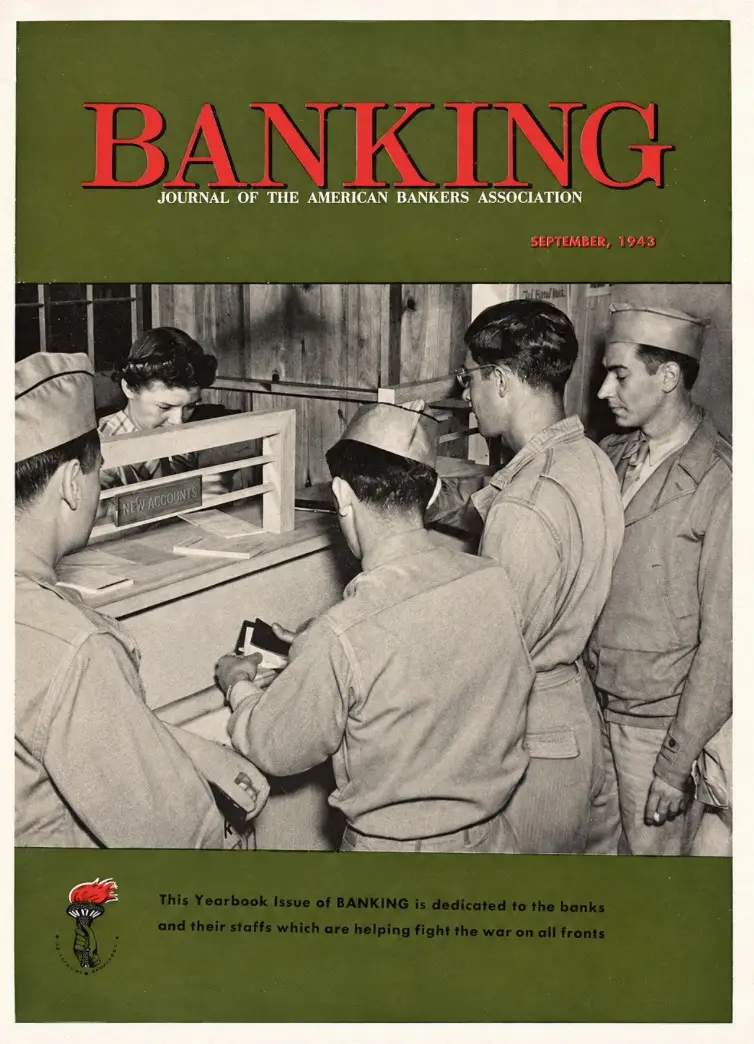
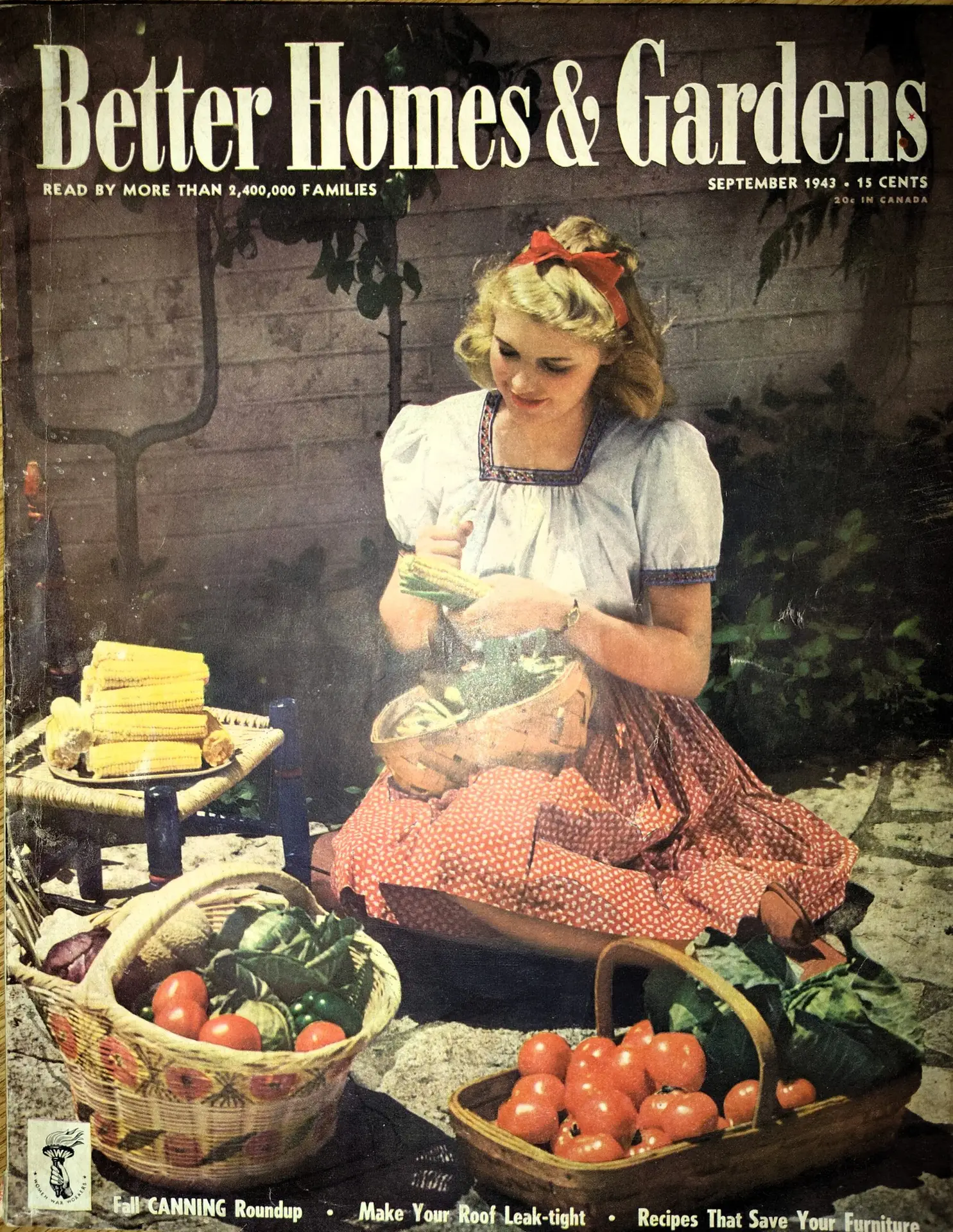
WWW|Women War Workers|HOME FRONT
September 1943
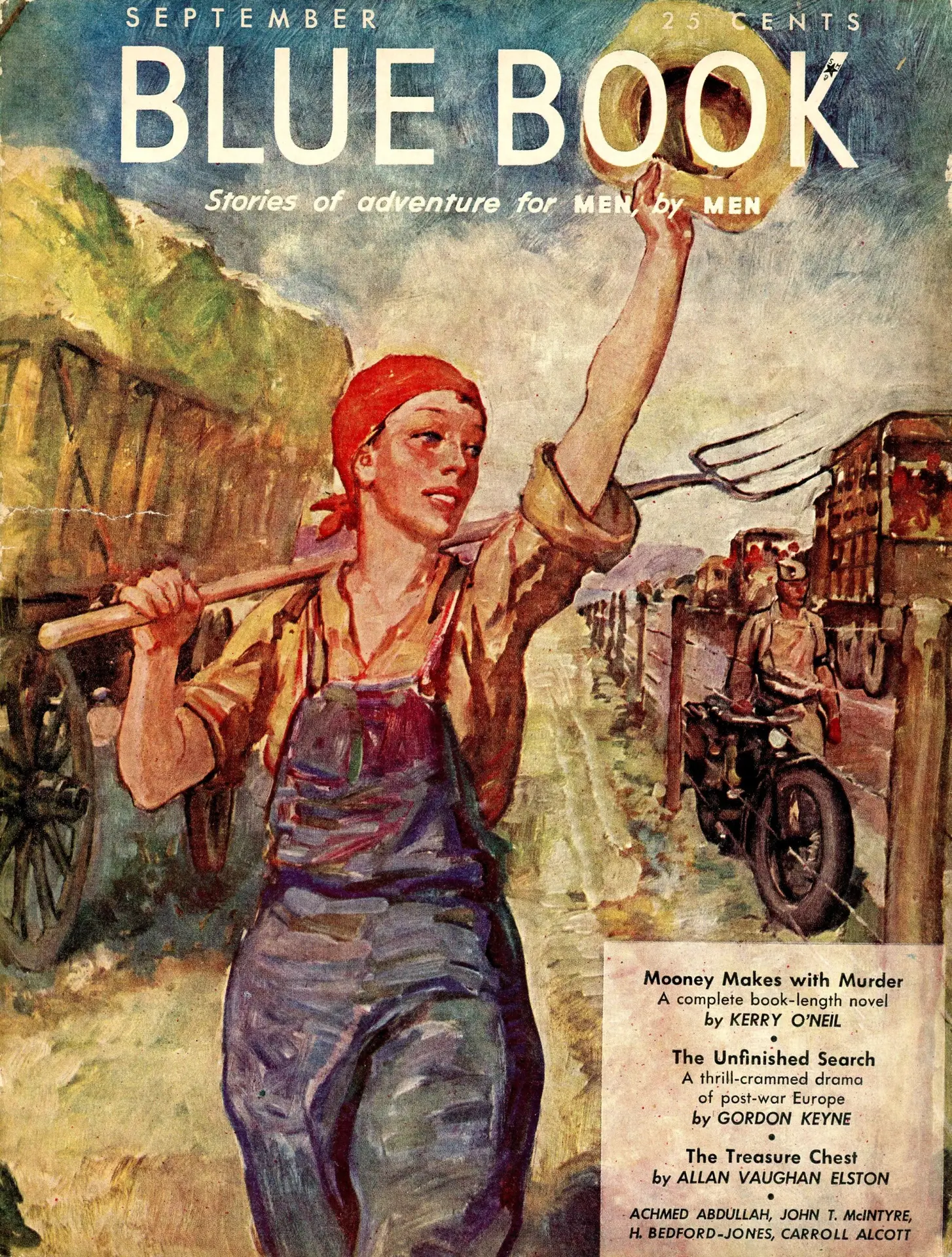
WWW|Women War Workers|PULP FICTION
September 1943
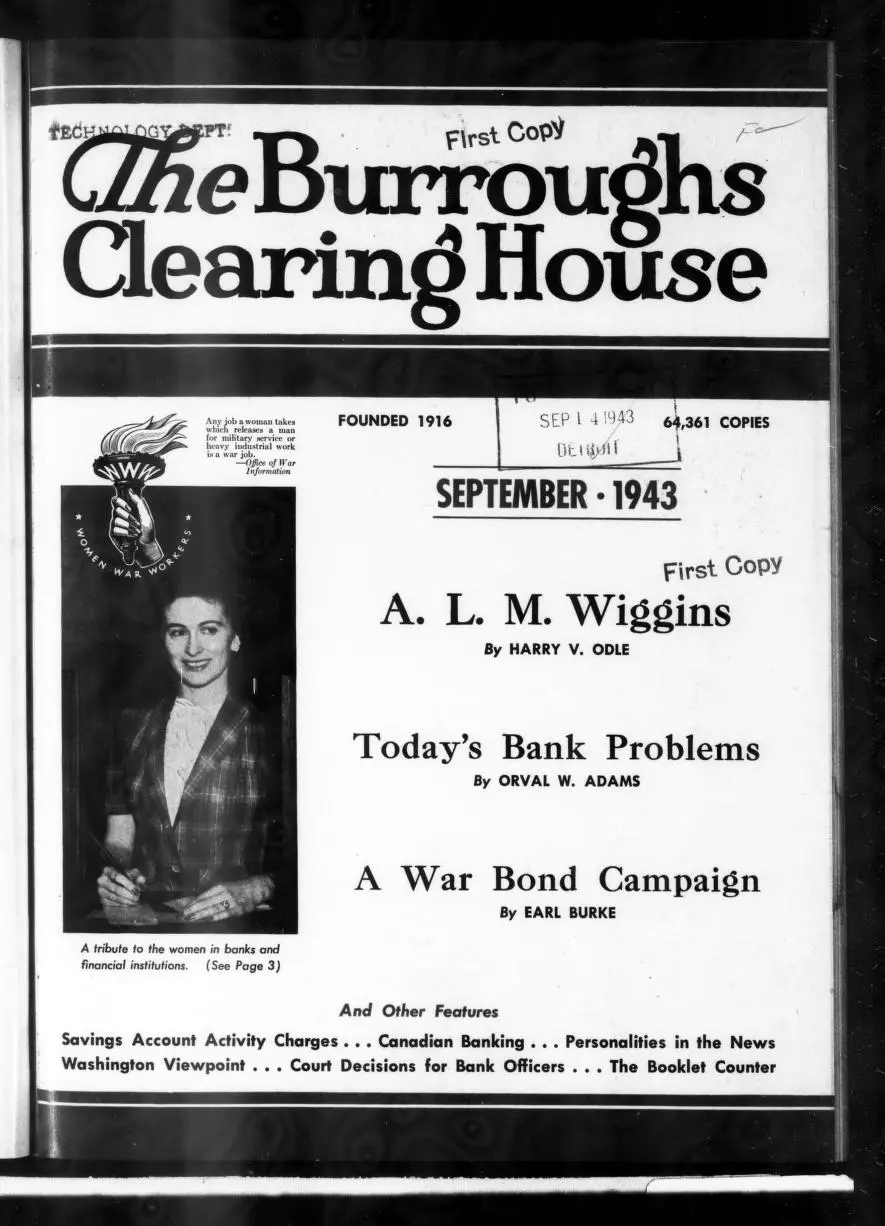
WWW|Women War Workers|BANKING
September 1943
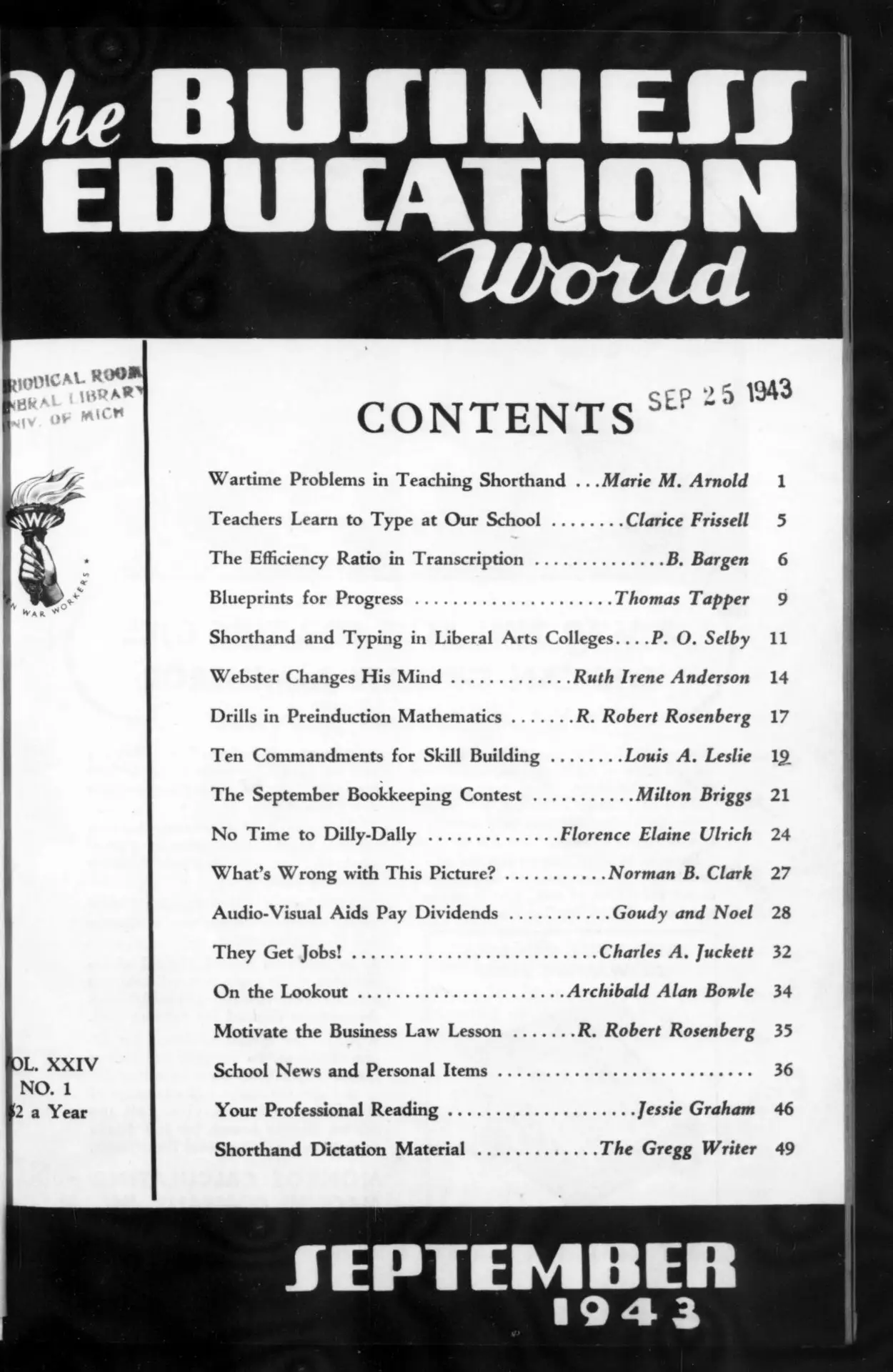
WWW|Women War Workers|EDUCATION
September 1943

WWW|Women War Workers|AGRICULTURE
September 1943
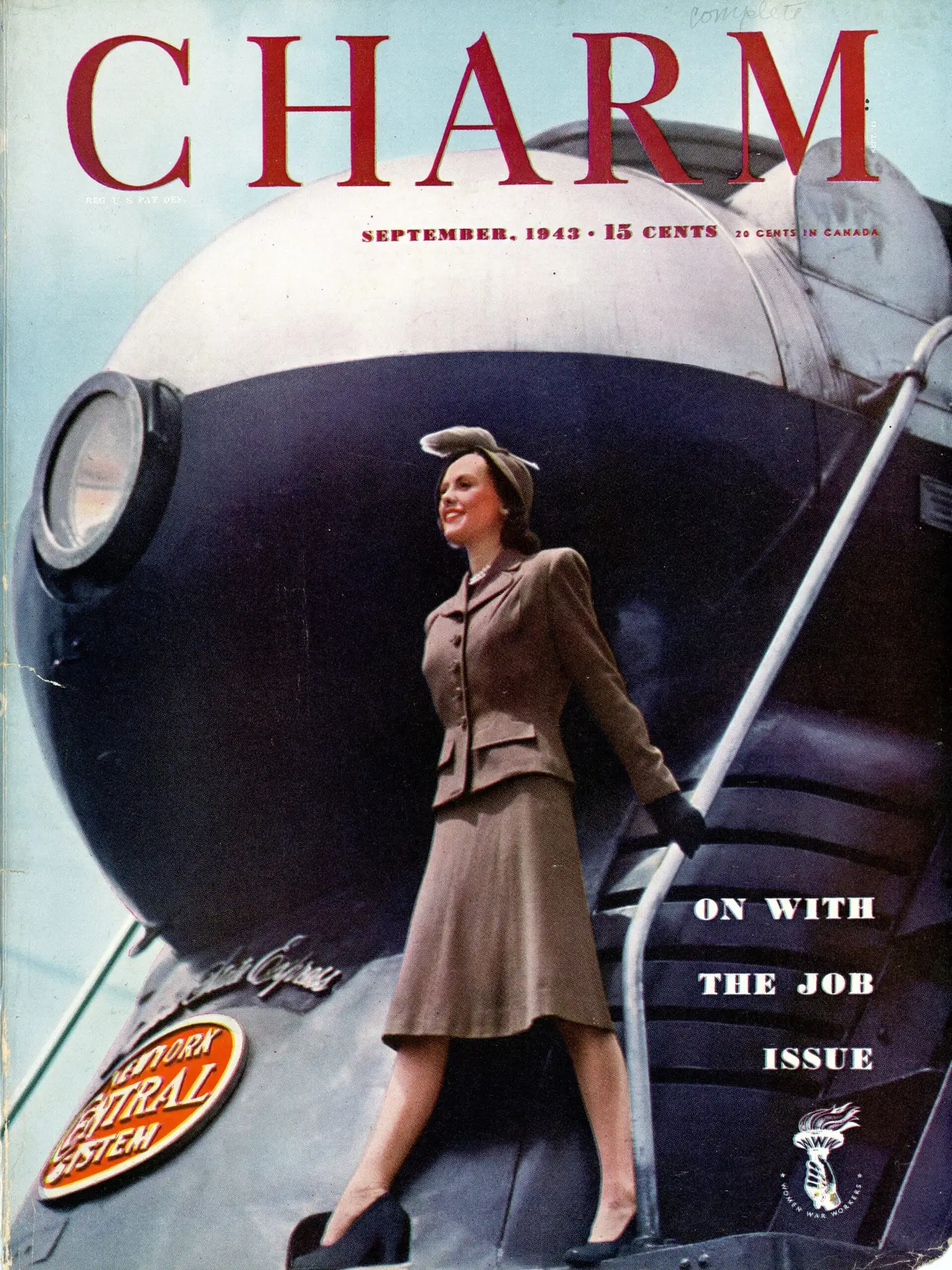
WWW|Women War Workers|WOMEN
September 1943
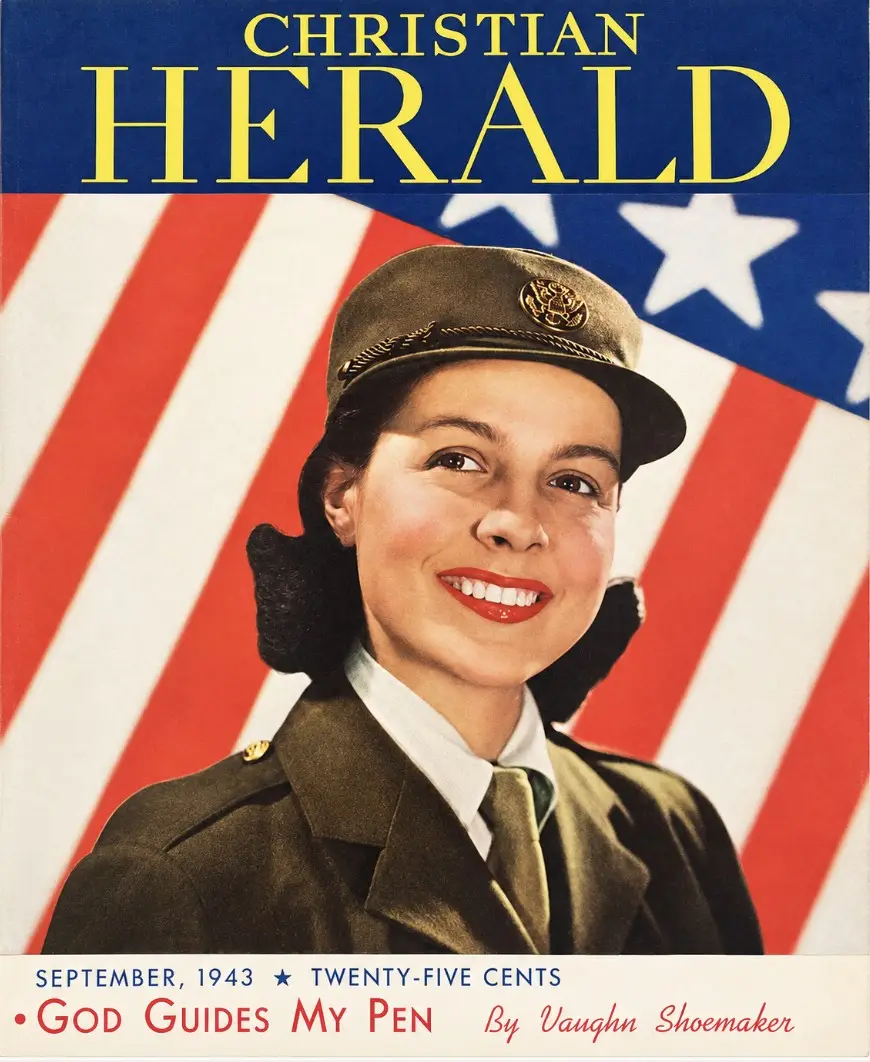
WWW|Women War Workers|RELIGION
September 1943
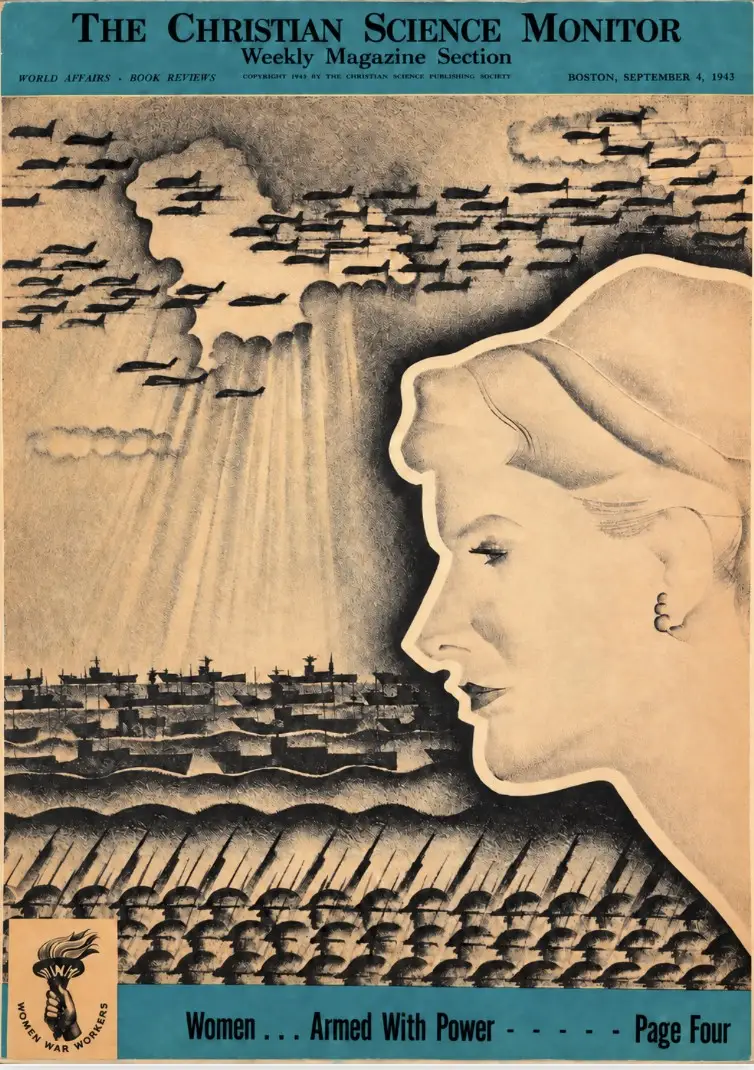
WWW|Women War Workers|NEWS & CURRENT EVENTS
September 4, 1943
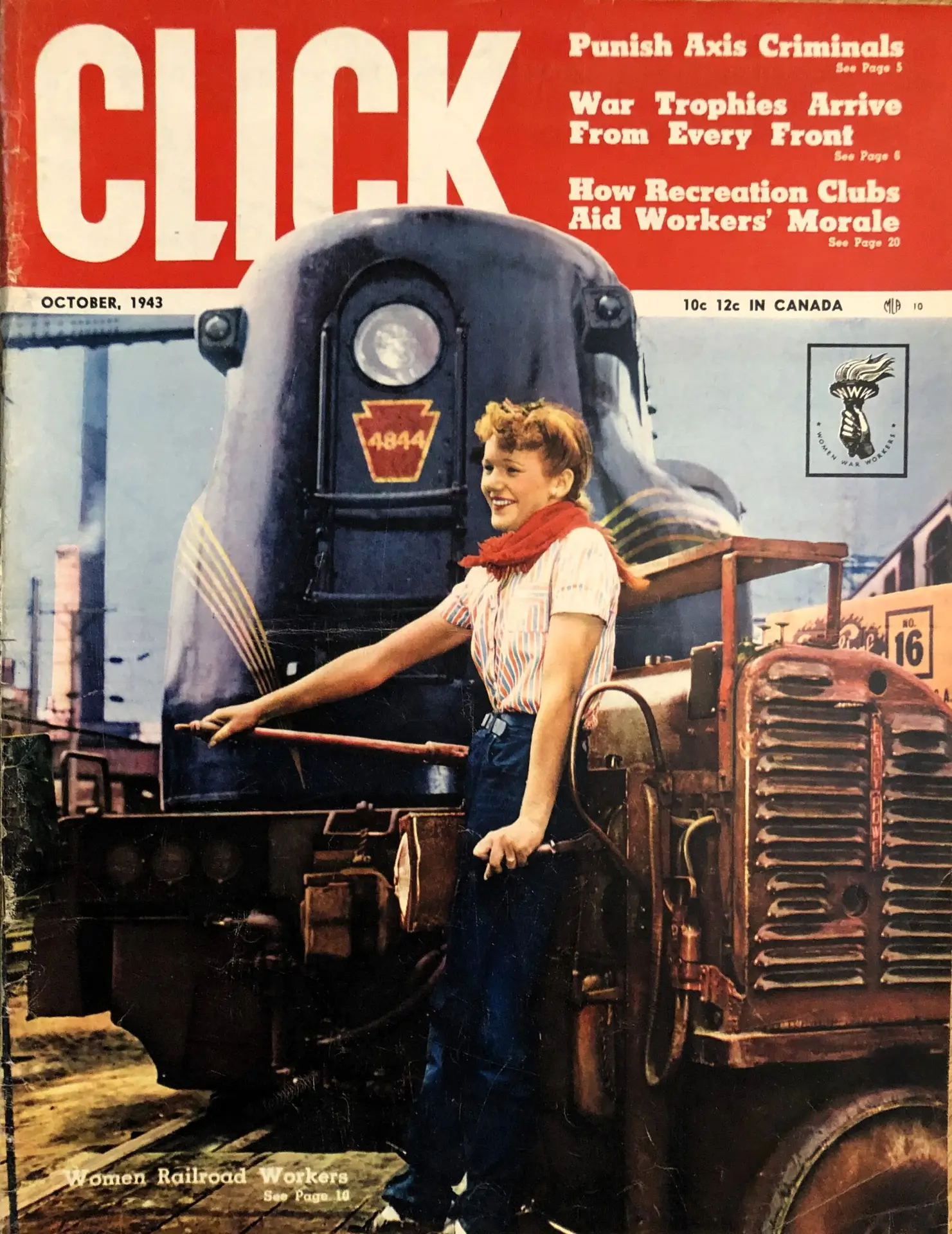
WWW|Women War Workers|GENERAL INTEREST
October 1943
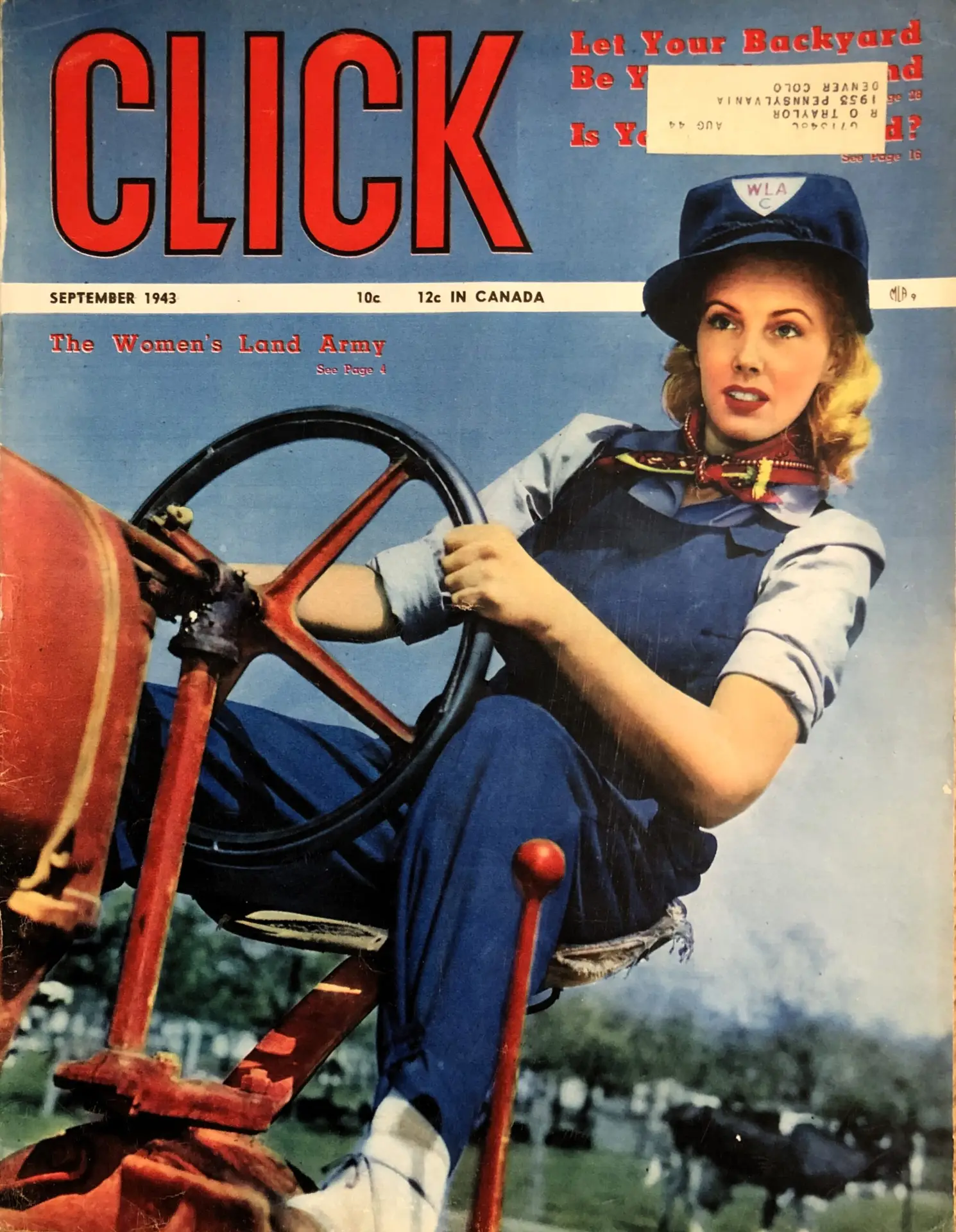
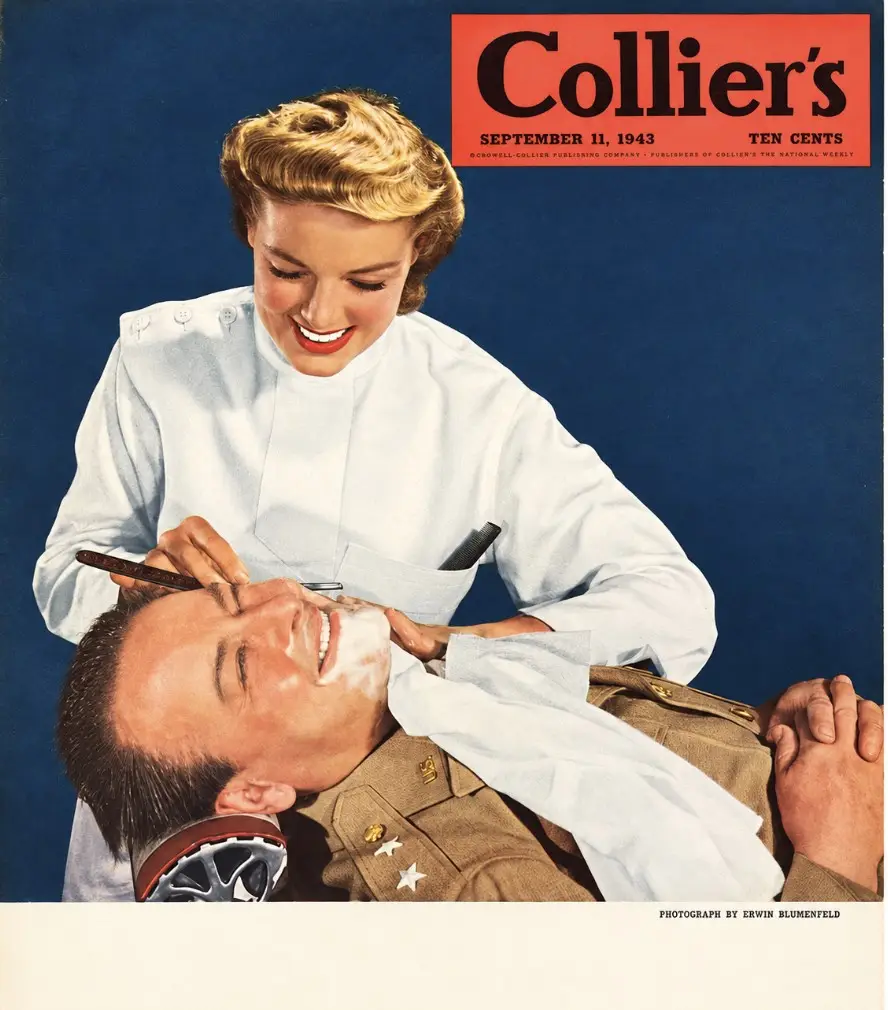
WWW|Women War Workers|GENERAL INTEREST
September 11, 1943
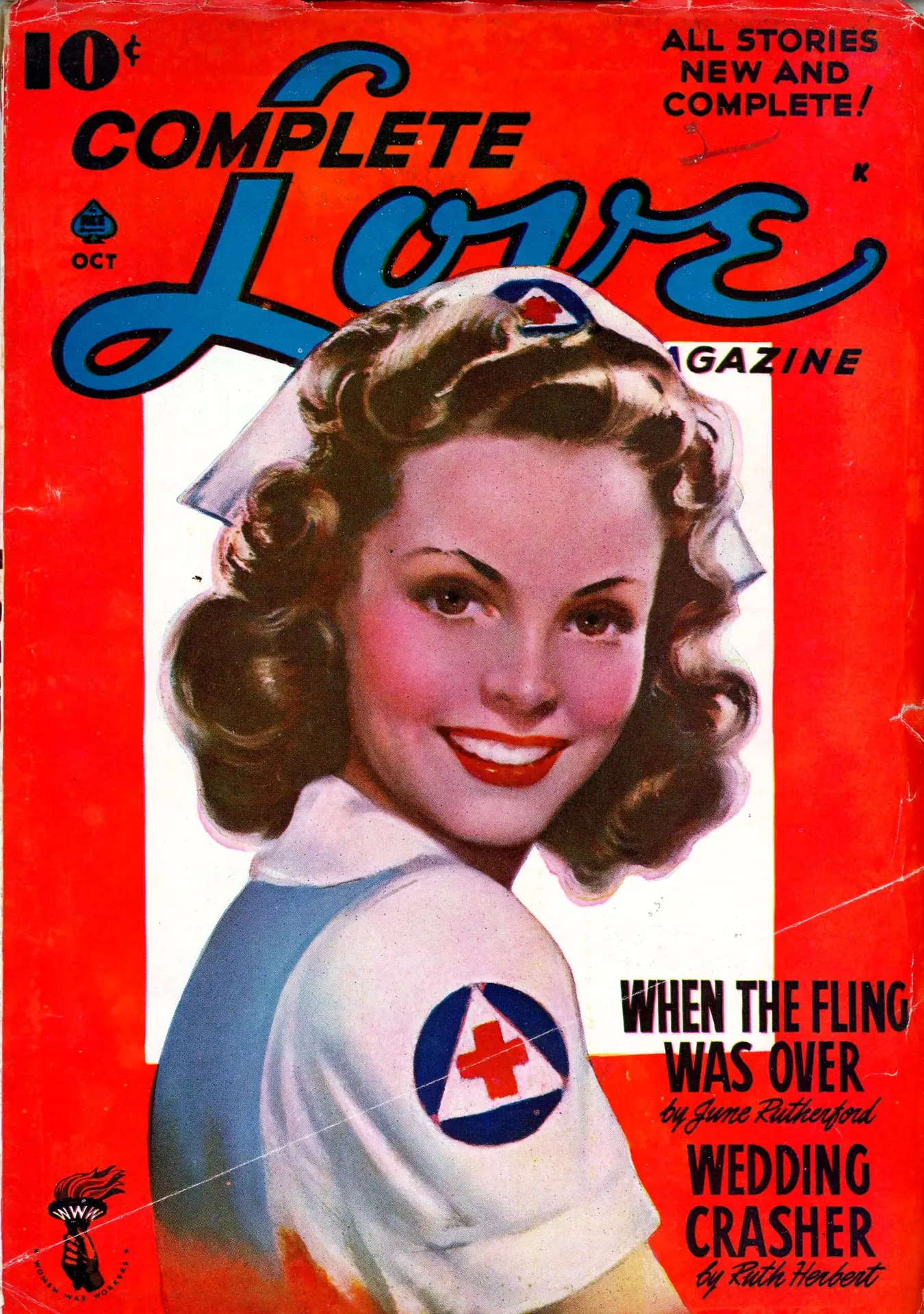
WWW|Women War Workers|PULP FICTION
October 1943